
Krasi is a charming mountain village situated in central Crete near Mount Selena. The village is surrounded by a lush forest with various trees such as maples and rare oaks. Additionally, there is a small but fertile plateau at the foot of the mountain. The fertile land, combined with livestock farming, allows Krasi to be self-sufficient in terms of food.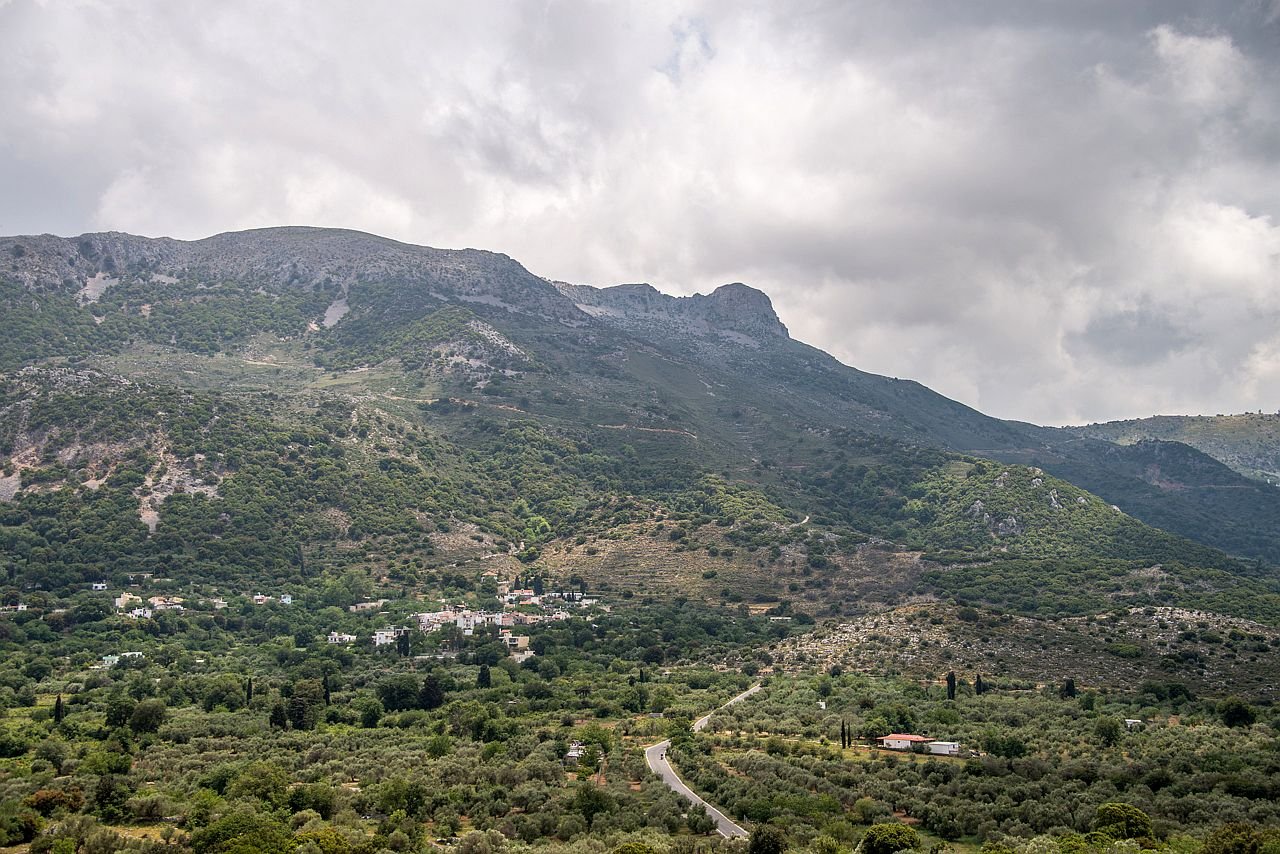
A circular vaulted tomb found in the village of Krasi suggests that the area has been inhabited since prehistoric times. However, Krasi itself appears to have been established during the Middle Ages, under Byzantine rule in Crete. Krasi was one of the few villages that was not harmed during the Turkish occupation and its Greek-speaking residents were able to remain. It became a part of Greece in 1913.
At the heart of the village, there are three evergreen plane trees, but the largest of them all, affectionately known as the “Gero-Platanos” by the locals, is the star attraction. It is believed to be the oldest plane tree in the world that is believed to be over 2000 years old, but there is no concrete evidence to confirm this. However, it is certainly over a thousand years old because the circumference of its trunk measures more than 20 meters, making it one of the largest trees in Europe.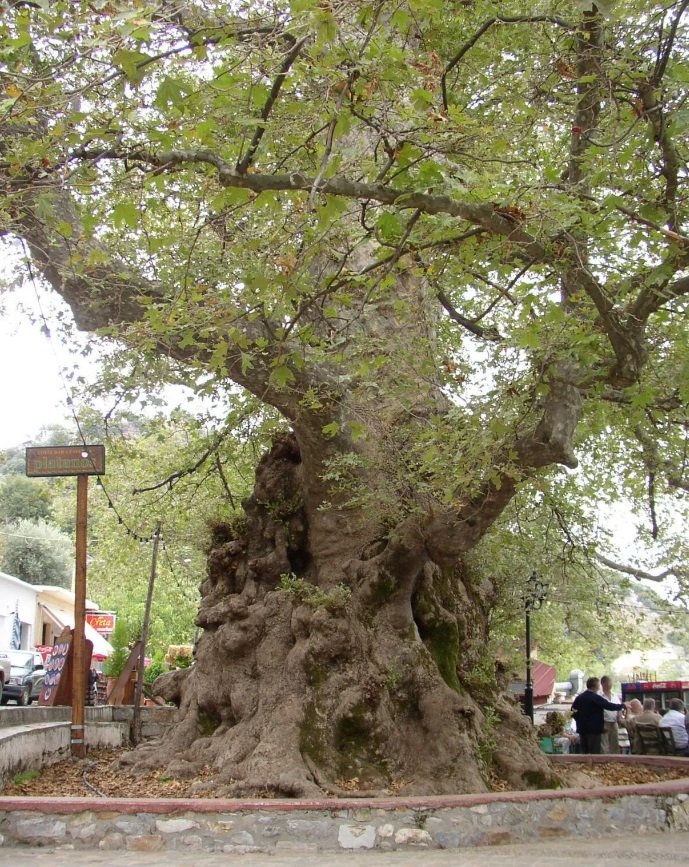
The municipality of Mallia protects the plane tree by pruning the dry branches and spraying it four times a year to avoid diseases. Apart from the trademark of the village, it is also the reason why people from all over the world visit the village to see it up close. Following a presidential decree, it has been characterized as a “preserved monument of nature”.
One of its most prominent admirers was Nikos Kazantzakis, one of the most respected and acclaimed Greek writers. Kazantzakis used to spend his holidays in Krasi, as it was the place his wife came from. According to testimonies of the elders, the great writer used to study and write in its shadow, while from time to time he invited other people of letters and arts there, forming the so-called “literary company of Krasi”.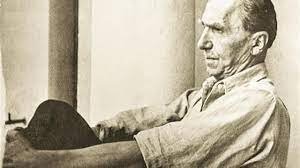
The historical presence of men of letters in Krasi, played an important role in the establishment of the House of Literature. It is located in the old school building of the village and today operates as a guesthouse, exclusively available to writers and translators. Although, each resident is allowed to stay for a maximun of two weeks.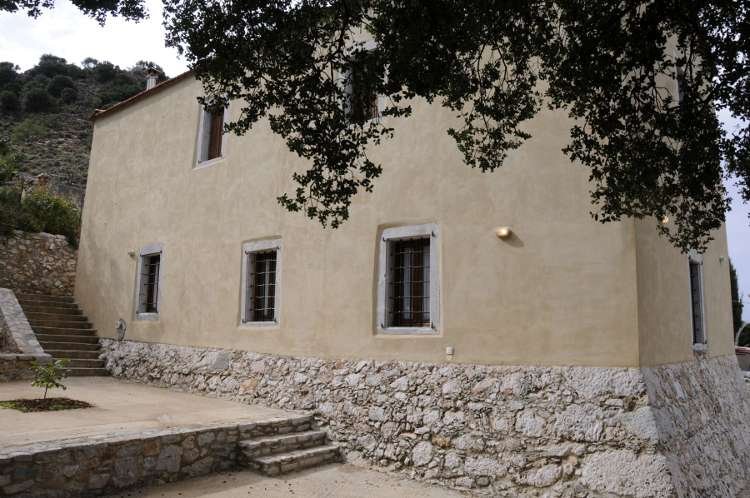
At the highest point of the island, there is a beautiful stone-built aqueduct named “Megali Vrysi”. It is considered one of the most impressive water supply systems in Crete and was constructed in 1890 by skilled craftsmen from the nearby village of Mochos. The aqueduct is fed by mountain spring water from Mount Selena, and it is used to irrigate fruit trees. There are two vaulted fountains in the aqueduct, called Pano Vrisi and Kato Vrisi. The latter has several stone troughs, where once women used to gather and wash their clothes.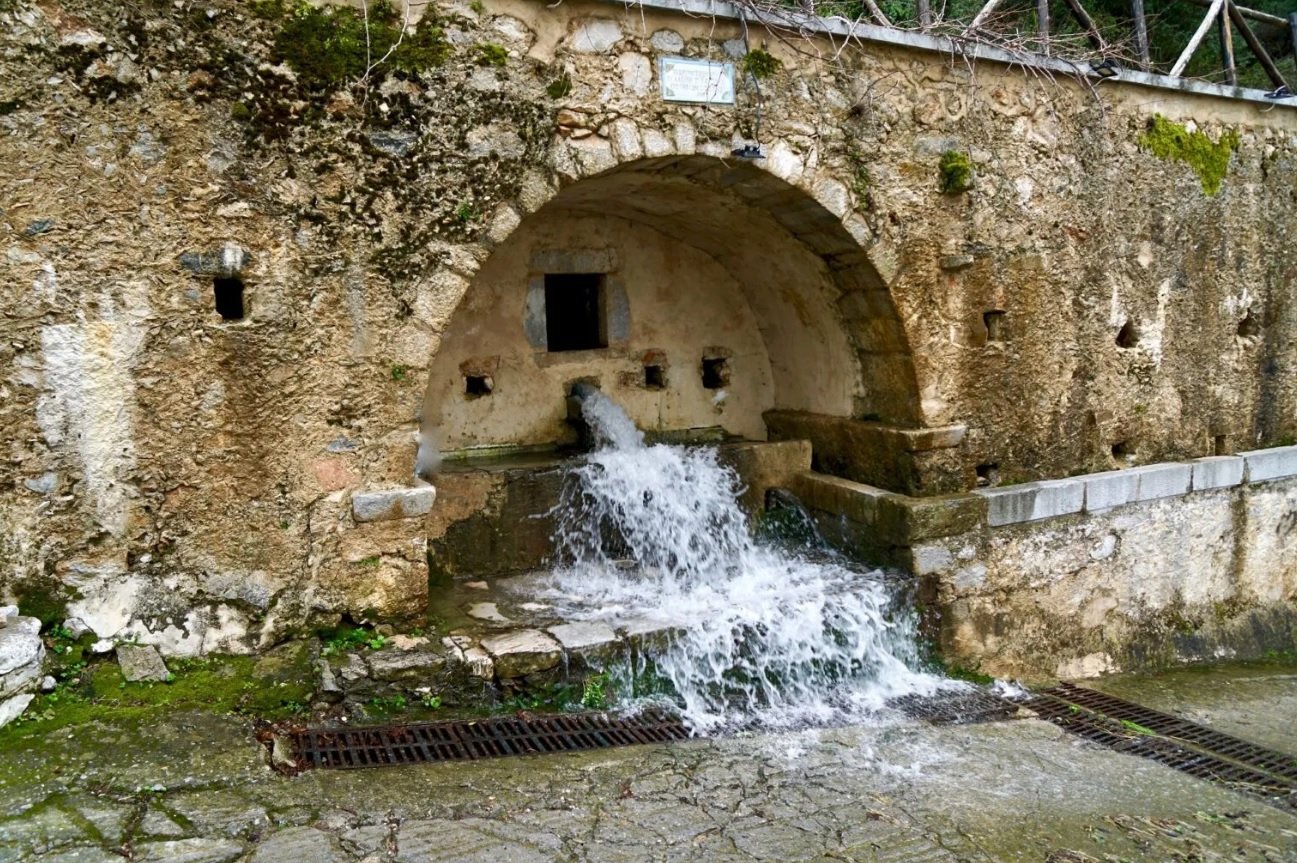
The beautiful mountainous village of Krasi has retained its traditional character. There are plenty of nice places to sit and enjoy some food, coffee, or raki while taking in the stunning views. The village is known for its authentic traditional food, which is baked in wood ovens using local products. The locals are very hospitable and will happily tell you stories about their village and offer you a glass of locally produced raki.